Technology does not exist ‘on its own’ or in a vacuum – there is always a context. In the day and age of the Fourth Industrial Revolution, or “Industry 4.0”, innovation in the form of technological advancements such as the Internet of Things and Artificial Intelligence (AI) acts as a cornerstone in our lives. In fact, AI has been deemed to be the most transformational technology of all time, and for good reason too. With benefits such as increased efficiency, cost-effectiveness, and potency in research, discovery and decision-making, AI has definitely shown its immense potential. However, while technological advancements bring about many benefits, they are followed by risks and hindrances.
It is essential to consider both the potential benefits as well as the drawbacks of the use of AI, especially in light of its growing integration into daily life for its effective utilisation. The concern about its impact must be acknowledged, as should the need for its responsible use. The focus should be developing and nurturing ethical systems and considering the broader perspective as to their influence. It is essential to understand that AI differs from any technology hitherto. It has remarkable potential to cause either great benefit or harm in various spheres. From raising ethical dilemmas related to privacy and surveillance, exacerbating bias and discrimination and raising questions related to the role of humans through applications like autonomous vehicles and weapons, AI has the potential to cause as much harm as good.
The current discourse is centred around the potential consequences of AI and the ethical and moral ramifications of it, especially considering the pervasiveness of AI in our lives.
Action Items
It is essential to use AI responsibly to extract the maximum value with the least risks. To achieve this, it is necessary to acknowledge, analyse and adapt to:
- The potential benefits and harms of AI to society;
- The steps necessary for the effective implementation of AI;
- The possible repercussions of AI related to discrimination, surveillance and privacy;
- The potential moral and ethical conundrums raised.
If AI is used responsibly and its potential harms are prepared for and dealt with, it can prove to be the greatest asset, which must be embraced, instead of being condemned.
AI Revolution and Its Implications
The current discourse raising concerns over the potential risks posed by AI is understandable to some extent. However, many raise a hue and cry because they fail to understand how AI works, its potential or its possible consequences. It has rapidly evolved as a constant in our daily lives, which has led to opposing views about its advantages and disadvantages.
As necessary as it is to acknowledge the pervasive presence of AI in our lives, it is equally necessary to understand its potential and to use it judiciously. Responsible use of AI requires transparency in its function, accountability for its actions and taking steps to ensure safety in its implementation. At the same time, the ethical responsibility of organisations cannot be ignored, and they should be held liable for ensuring that their policy focuses on the safe and conscientious use of AI.
Balancing Advantages and Risks of AI
The benefits of AI are indisputable: from time and cost efficiency to increased potency in research, discovery and innovation. However, the broader context of its use must be evaluated. Policy-makers and all relevant stakeholders must focus on the importance of considering the broader context when adopting AI, advocating for a balanced perspective on its brilliance and shortcomings. The impact of AI on society at large must be carefully considered while appreciating the benefits it provides as well as the risks it poses.
Ethical Considerations and Risk Assessments
It is essential to assess and analyse the various risks that AI can potentially cause, especially while drafting policies related to it. Such risks include concerns related to privacy, confidentiality and surveillance, data breach and misuse (such as the Cambridge Analytica episode), questions related to transparency and accountability, autonomy in vehicles and even weapon systems, generation of inaccurate and factitious content (including deepfakes and manipulated media).
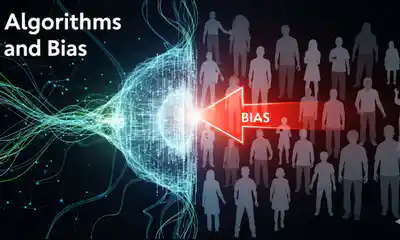
Further, AI is also susceptible to discrimination resulting from the inaccuracies and bias present in the data used to train them (such as the COMPAS case). So, risk assessments must be conducted, and risk management plans must be prepared to ensure the judicious use of AI. Moreover, it must be ensured that the input and output data are thoroughly vetted to prevent any errors, biases or inaccuracies.
Transparency and Perception in AI Deployment
AI’s capacity to enhance transparency and equality and to create a better world (when used judiciously) must be realised. While its benefits cannot and should not excuse the dangers it poses, the same should be managed with risk assessments and risk management plans. A balanced approach must be taken, and AI should be designed and implemented ethically, after careful thought and attention to moral concerns.
So, AI can definitely function and be embraced if it is developed and utilised responsibly and ethically while focusing on the right core values!