"The real problem of humanity is the following:We have Paleolithic emotions, medieval institutions and godlike technology. And it is terrifically dangerous, and it is now approaching a point of crisis overall."— Edward O. Wilson
MetaRule™
MetaRule™ is a MetaBoard® knowledge initiative focused on the intersection of law, technology, artificial intelligence, regulation, governance, and rule-based systems. It provides access to research publications, expert articles, legal documents, and analytical insights developed for professionals, researchers, educators, and organizations navigating technology-driven regulatory change.

Published Works
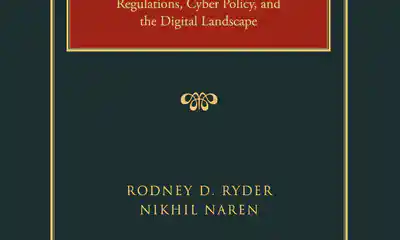
Technology Law: Regulations, Cyber Policy & Digital Landscape
Technology Law: Regulations, Cyber Policy, and the Digital Landscape is a comprehensive and authoritative guide to the rapidly evolving world of technology and digital regulations in India. This book provides an in-depth analysis of how emerging technologies are transforming governance, business, and society—and how law must adapt to protect rights, security, and innovation. Authored by Rodney D. Ryder and Nikhil Naren, both widely recognized for their expertise in technology and cyber law, the book navigates through India’s regulatory framework with clarity, precision, and practical insights. It explores the legal challenges ushered in by data protection, cybersecurity, artificial intelligence, digital platforms, and the expanding digital economy
![Artificial Intelligence and Law [Challenges Demystified]](/_next/image?url=https%3A%2F%2Fmetaboard-assets.s3.ap-south-1.amazonaws.com%2Fpublications%2Fpublication-1757956739558.webp&w=3840&q=75)
Artificial Intelligence and Law [Challenges Demystified]
Artificial Intelligence [Al] is at the forefront of today's fast-paced technological landscape, driving unprecedented changes across all sectors. However, these advancements come with significant legal and ethical challenges. In this updated second edition of "Artificial Intelligence and Law: Challenges Demystified," we further explore the intricate relationship between Al and law and the various issues that arise from it. Building on the foundational insights of the first edition, this expanded volume covers the latest developments in Al technology. It addresses new regulatory measures, advancements in machine learning, and the growing impact of Al on privacy, security, digital commerce, and ethical standards. Through real-world applications and case studies, this book is a foundational guide for legal practitioners, policymakers, technologists, and scholars navigating the complex terrain of Al and law. This edition equips readers with the knowledge and tools to foster responsible Al innovation and ensure that legal systems remain robust and adaptive in rapid technological change. Join us in exploring the future of Al and its profound implications for the law.
Latest Blogs
Trademarks and Branding: The Importance of the #DotCom!
In the digital age, has the simple .com domain become more crucial to your brand's identity than a registered trademark? This piece explores why owning the dot-com is the ultimate key to building trust, securing traffic, and cementing your online presence.

Artificial Intelligence
Exploring the profound gap between AI hype and reality, we question if a machine can ever truly master the multiple intelligences that define humanity. This piece delves into the challenges of teaching nuanced skills and confronts the ultimate question of machine consciousness.